
Spring is the toughest season for your hair! Why? And how can you protect it?
We often talk about how challenging seasonal transitions can be for your hair. How to protect it during a hot summer or a cold winter. But if there is one truly tough season for your hair, it is spring.
If your hair is naturally thick and strong, spring may not be a concern. But if your hair is weakened, spring can be a real nightmare for it.
Why is that?
Let’s look at the main reasons and some practical tips on minimising hair loss with the right care.
How does spring affect hair at different ages?
Everyone responds differently to seasonal changes, but age plays an important role:
Children and teenagers (under 20):
Younger hair is in an active growth phase, so spring shedding is less noticeable. However, increased breakage may still occur as temperatures fluctuate.
Adults (20–50):
Spring hair loss is most noticeable in this age group. Hormonal fluctuations, stress and nutrition play a major role in seasonal hair loss.
Adults (50+):
As we age, hair becomes thinner and its ability to regenerate decreases. In spring, this process becomes even more pronounced due to lower keratin production and slower cell renewal.
How do men and women respond to spring?
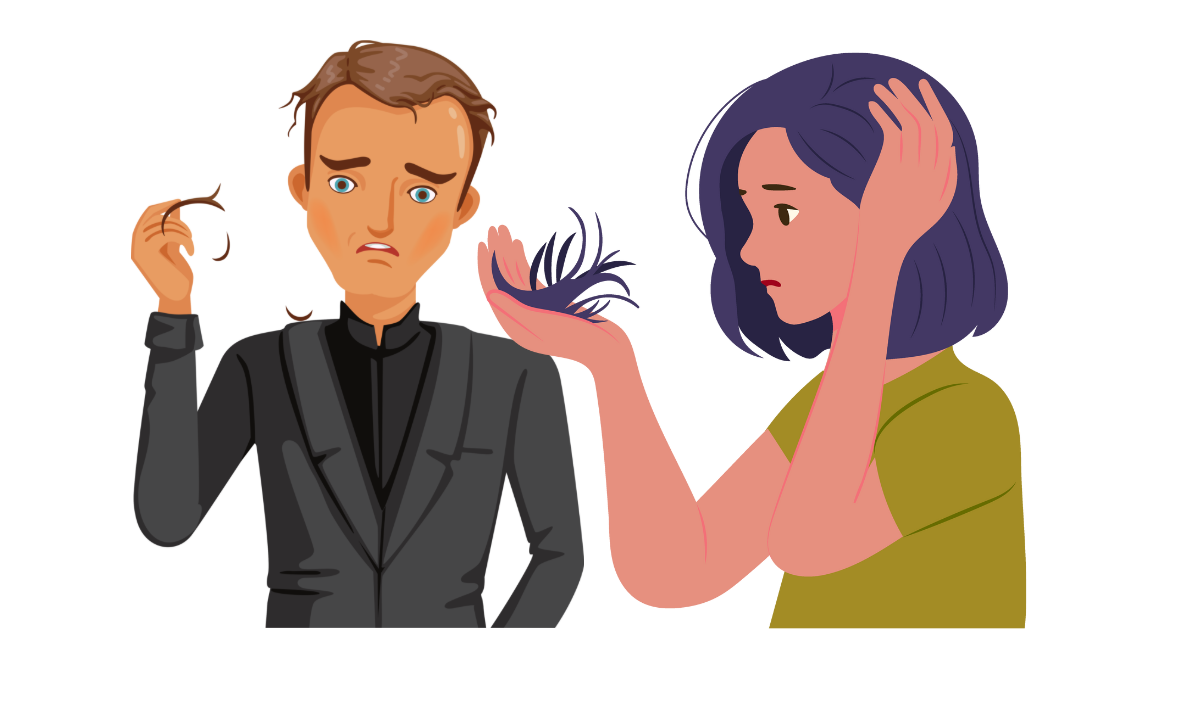
Men:
Spring hair loss is often more dramatic in men, particularly those with a genetic predisposition to baldness. Hormonal fluctuations and changes in testosterone can further accelerate hair thinning.
Women:
Hormonal changes, particularly those associated with the menstrual cycle, pregnancy and menopause, lead to more noticeable spring shedding. Hair may become not only thinner, but also more fragile and prone to breakage.
5 reasons why your hair dreads spring
1. Your hair has its own calendar
Just as animals shed their coats in spring, your hair goes through a natural cycle too. After winter, the body sheds old, weakened hairs to make room for new ones. That is why you may feel that you are losing more hair than usual. Animals shed their coats in spring to prepare for the warmer months, and humans may experience something similar. Although we no longer have thick body hair like our distant ancestors, our bodies still respond to seasonal changes:
- Less sunlight in winter → the body retains more hair
- More sunlight in spring → the body sheds weakened hairs
This mechanism allows new, stronger hairs to grow, adapted to the new conditions.
2. Sunlight = a hormonal revolution
Spring brings hormonal changes – the production of melatonin and serotonin increases, which can also affect the hair follicle cycle. 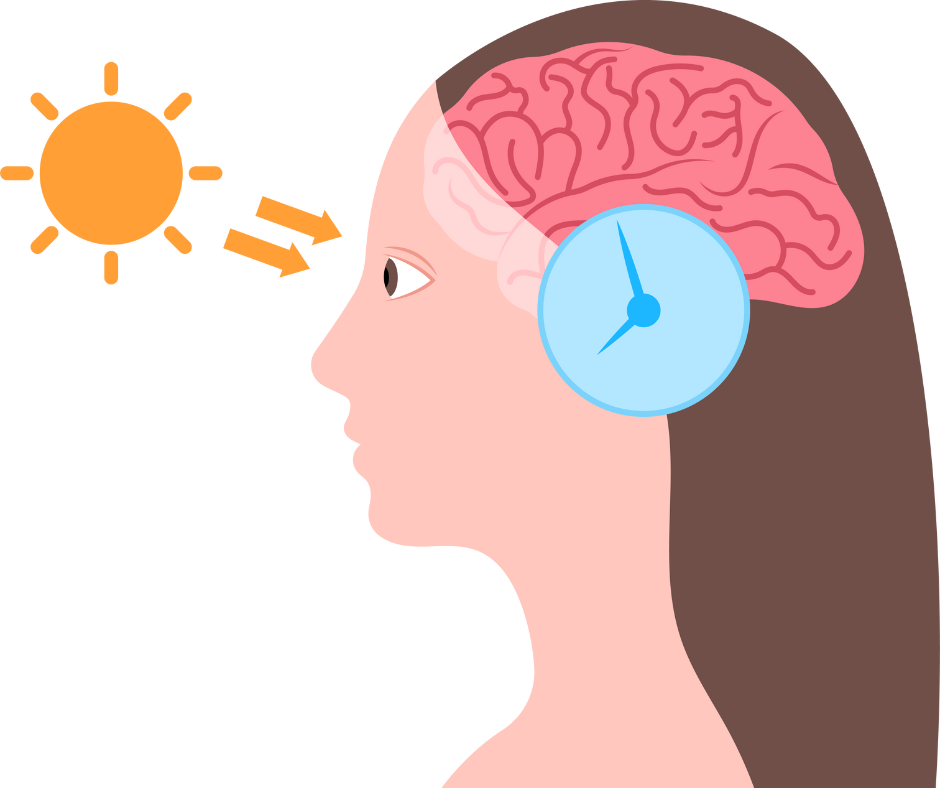
Melatonin is a hormone that regulates the sleep cycle and circadian rhythms. In winter, when days are shorter and nights are longer, its production is higher. In spring, as daylight increases, melatonin production falls as the body adjusts to longer days. This decrease can disrupt the hair follicle cycle because melatonin influences the hair growth phase, known as the anagen phase.
Serotonin increases with exposure to sunlight and affects not only mood, but also the body’s hormonal balance. When serotonin levels rise in spring, we feel better and have more energy, but this also triggers a response in the endocrine system that affects testosterone, oestrogen and other hormones associated with hair growth. Hormonal changes caused by rising serotonin levels can weaken hair follicles, particularly in people who are sensitive to hormonal fluctuations.
Spring is also associated with slight fluctuations in testosterone levels. In the body, testosterone is converted into dihydrotestosterone (DHT), a hormone that can weaken hair follicles.
- In men with a genetic predisposition to hair loss, increased DHT activity in spring can temporarily worsen hair thinning.
- In women, hormonal changes can affect hair shedding, particularly during the menstrual cycle, after pregnancy or during menopause.
The result? Some people may experience increased hair shedding in spring due to a combination of factors: increased sunlight, falling melatonin levels, rising serotonin levels and hormonal fluctuations.
3. Vitamin deficiencies after winter
After a long winter, your body may lack important nutrients such as iron, zinc or vitamin D. When hair follicles do not receive enough nourishment, they weaken and hairs fall out more quickly.
4. Temperature fluctuations = a shock for your hair
Frosty mornings and warm afternoons – these extremes put considerable strain on your hair. Frequent temperature changes weaken the hair structure and cause excessive shedding.
 5. Spring stress and fatigue
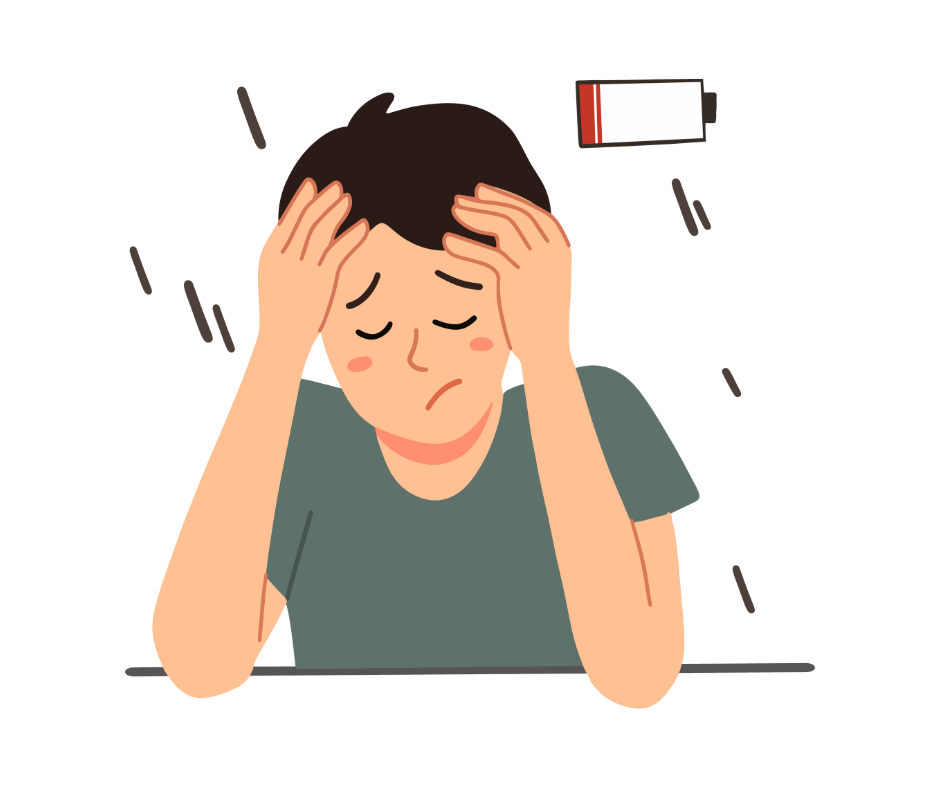
Stress and poor sleep quality directly affect hair health and accelerate hair loss.
Spring is not just about flowers in bloom; it can also bring seasonal depression and fatigue. Although depression is often associated with winter and a lack of sunlight, known as seasonal affective disorder (SAD), some people may experience the opposite pattern in spring – sometimes referred to as spring fatigue or spring depression.
When the body is under stress or deprived of sleep, it triggers a hormonal response that can negatively affect hair growth. Stress raises cortisol, the stress hormone, which interferes with the balance of testosterone and DHT, impairs blood circulation in the scalp and can shorten the anagen growth phase, causing hair to start falling out prematurely.
Chronic fatigue and a lack of sleep disrupt hair regeneration. During sleep, the body regenerates, including the hair follicles. Sleeping for less than six hours a night can disrupt growth hormone production, iron and zinc metabolism, and scalp cell renewal.
Although spring brings positive changes, it can be challenging for some people: stress, fatigue, hormonal fluctuations and allergies can weaken hair and accelerate shedding.
How can you protect your hair from a spring disaster?
1. Use nettle hair tonic to deliver vitamins directly
Direct absorption into the scalp – nettle hair tonic contains vitamins A, C, K and B vitamins, along with minerals such as iron, zinc and silicon. When applied to the scalp, these substances can be absorbed more effectively directly into the hair follicles.
Nettle naturally improves blood circulation in the scalp, increasing the delivery of nutrients to the hair roots. It has antiseptic properties and helps remove toxins and excess sebum, creating a better environment for healthy hair growth. It contains silicic acid and flavonoids that strengthen hair fibres, support new hair growth and prevent excessive shedding.
2. Magnesium is a key mineral for healthy hair, and combining it with quinine can make it even more effective.
How does magnesium help your hair?
Reduces stress that causes hair loss
Stress is one of the main causes of seasonal hair shedding. Magnesium helps regulate cortisol, the stress hormone, and relaxes both the body and the scalp.
Supports hair growth –
Magnesium plays an important role in the formation of proteins, including keratin, the main building block of hair.
Fights hair breakage and weakness
Magnesium deficiency leads to structural weakening of the hair fibres, making them more prone to breakage and thinning.
Improves scalp hydration
It helps maintain a healthy scalp and prevent dryness and itching.
Why is the combination of magnesium and quinine ideal?
Quinine stimulates hair follicles and prolongs the hair growth phase.
Magnesium strengthens the hair structure and helps nourish the roots from within.
Together, they improve the hair’s resistance to external influences such as seasonal changes, stress and a lack of nutrients.
Which products are ideal?
Magnesium and quinine shampoo – perfect for strengthening weakened hair and preventing seasonal shedding.
Magnesium and quinine conditioner – adds elasticity and hydration to the hair and helps prevent breakage.
Magnesium reduces stress, one of the main causes of seasonal shedding, while also strengthening the hair fibres. Meanwhile, quinine stimulates hair growth, making this combination ideal for spring, when hair needs extra strength.
3. Support hair growth with ginseng shampoo and hair tonic
Ginseng contains ginsenosides, active substances that support stronger hair growth and extend the hair’s life cycle. This means less shedding in spring, when hair is at its most vulnerable. It increases blood circulation in the scalp, and spring is precisely when the hair roots need as many nutrients and as much oxygen as possible. It helps stabilise hormonal balance and reduce the effects of stress, which often worsens seasonal shedding. It protects hair against stress and hormonal fluctuations. Ginseng also supports keratin production, making hair stronger, more elastic and less prone to damage. It encourages faster new hair growth.
If you notice increased shedding in spring, ginseng promotes faster new hair growth, making thinning less noticeable.
Why is the combination of ginseng and quinine so powerful?
Quinine activates hair follicles and supports a longer hair growth cycle.
Ginseng improves blood circulation in the scalp, supplying the follicles with more nutrients and oxygen.
Together, they combat seasonal hair weakness and help hair cope better with transitional seasons.
When should you use ginseng shampoo and hair tonic?
If you experience increased shedding in spring – it helps restore hair density.
If your hair is weakened and brittle after winter – it strengthens its structure.
If you want thicker hair sooner – it supports new hair growth.
4. Give your hair deep hydration with hyaluronic acid shampoo.
Why is hyaluronic acid shampoo a great choice for spring?
Your shampoo with pure hyaluronic acid is a perfect choice for spring because, after winter, hair is dehydrated, weakened and prone to damage. Hyaluronic acid is mainly associated with skincare, but its effects on hair are just as important! It is also suitable for every hair type and for men and women of all ages. It is an excellent choice as an additional shampoo to alternate with quinine shampoos if you wash your hair more frequently.
How does hyaluronic acid shampoo help your hair in spring?
Deep hydration for tired hair
After winter, hair is often dry and brittle because cold weather has stripped it of moisture.
Hyaluronic acid binds water in the hair cuticle, giving hair elasticity and strength.
Prevents hair breakage and split ends
Dehydrated hair splits and breaks much more quickly.
Hyaluronic acid helps seal the hair cuticles, preventing moisture loss and mechanical damage.
Regenerates the scalp and keeps it healthy
Spring is a time of hormonal changes that can cause scalp itching and irritation.
Hyaluronic acid hydrates the scalp and prevents dryness, helping with dandruff and scalp sensitivity.
Adds volume and shine
Hydrated hair is more elastic and less prone to falling flat.
Hyaluronic acid helps keep hair fibres plumped with water, enhancing the hair’s natural volume.
Perfect for combining with other active ingredients
In spring, your hair needs not only hydration, but also growth stimulation and strengthening.
The combination of hyaluronic acid + quinine + caffeine is ideal: while hyaluronic acid hydrates, quinine and caffeine activate hair growth.
When is the best time to use hyaluronic acid shampoo?
• If your hair is dry, weakened and brittle after winter
• If you frequently get split ends and your hair is fragile
• If your scalp becomes sensitive or irritated in spring
• If you want to give your hair volume and elasticity without weighing it down
Also, don’t forget:
🔹 A cold rinse after washing your hair
Cold water seals the hair cuticles, helping reduce breakage and giving your hair a natural shine.
🔹 Sleep hygiene and enough sleep
During sleep, the body renews its cells, including those that nourish the hair follicles. Sleeping for less than six hours a night disrupts growth hormone production, which can weaken hair.
What does sleep hygiene mean? Clean bed linen and pillowcases every 4–5 days! 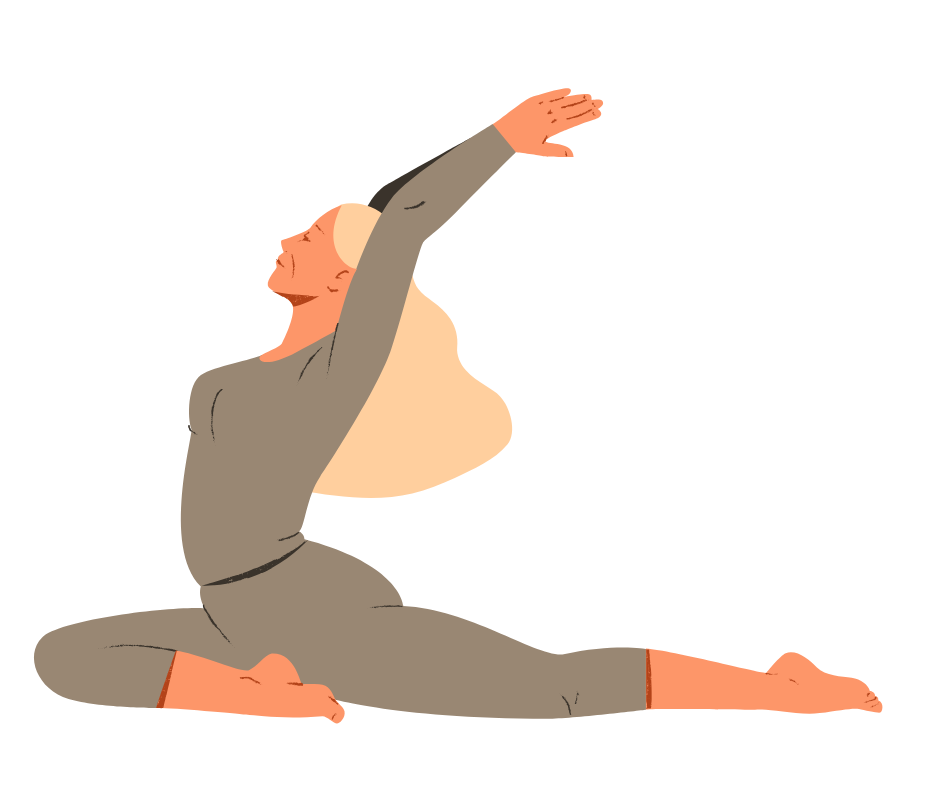
🔹 Physical activity and hair growth
Why? Exercise stimulates blood circulation, improving the supply of oxygen and nutrients to the hair follicles. A sedentary lifestyle means slower hair growth and a greater likelihood of thinning.
Tip: If you don’t have time for sport, try at least some yoga or stretching – it improves blood circulation in the scalp.
🔹 Thermal water for hair – not just for your face!
Why? Thermal water contains minerals such as magnesium, calcium and potassium that soothe the scalp, nourish the roots and reduce irritation that can lead to hair loss.
Tip: After each wash, spray thermal water onto your scalp and let it absorb – it supplies your hair with minerals and keeps it hydrated.
 🔹 Breathing exercises to reduce stress
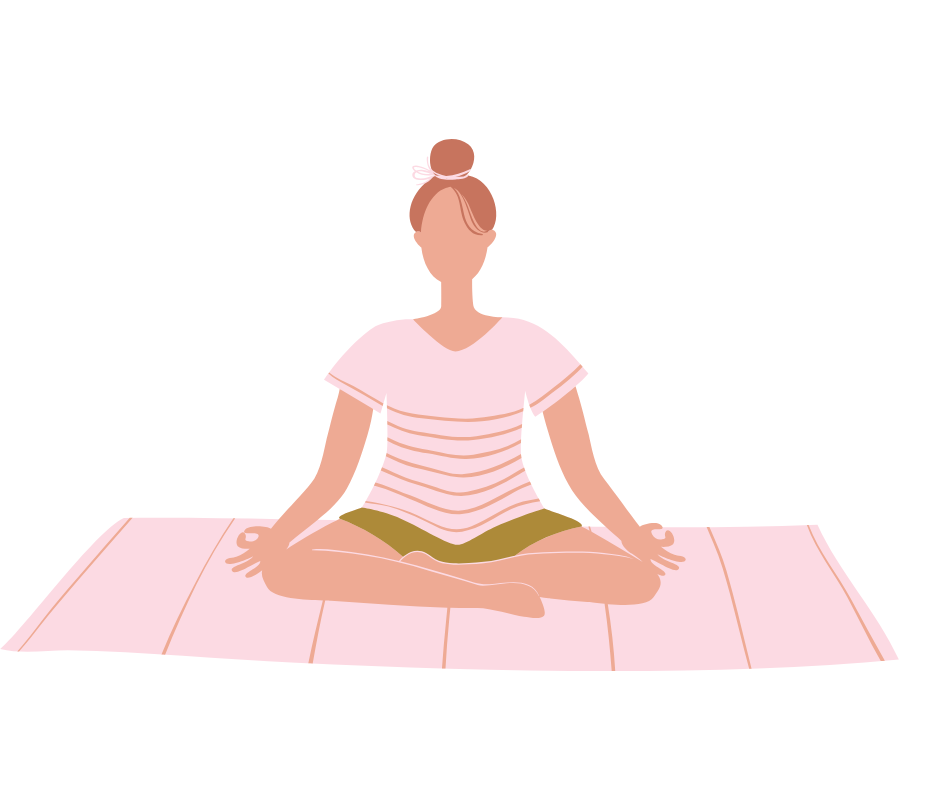
Why? Stress = hair loss. Deep breathing helps lower cortisol levels and supplies the body with more oxygen, which also benefits the hair follicles.
Tip: Try the 4-7-8 method: breathe in for 4 seconds, hold your breath for 7 seconds and breathe out for 8 seconds. Practise for 5 minutes a day, and your hair will thank you!
🔹 Sauna for hair growth
Why? Heat improves blood circulation in the scalp and stimulates hair growth. It also helps detoxify the skin and remove accumulated toxins.
Tip: After a sauna, apply a hair tonic, such as a quinine tonic – open pores absorb active ingredients more effectively.
🔹 If you have allergies, rinse your hair after spending time outdoors to remove pollen.
Many people suffer from allergies in spring, which can affect hair health. When the body reacts to pollen or dust, it releases histamine, triggering inflammatory reactions in the scalp. This process can lead to irritation, itching, increased sebum production and even weakened hair follicles, potentially contributing to hair loss.