
Pine Tar.
The Power of Nature That Has Endured for Centuries.
From the heart of Bulgaria’s Rhodope Mountains to modern skincare. Discover a traditional ingredient known for its antimicrobial, anti-inflammatory and soothing properties.
What Exactly Is Pine Tar?
Pine tar is produced by heating wood with very little oxygen. This process is known as dry distillation or pyrolysis. The result is a complex mixture of substances, dark brown to black in colour, with a distinctive smoky aroma. Pine tar differs from resin and essential oil in both its production process and composition.
In skincare, both the quality of the raw ingredient and the formulation of the finished product matter. Pine tar and coal tar are different substances.
From Ancient Remedies to Modern Skincare
The use of tar in skin care dates back to antiquity. In traditional medicine, it was applied to wounds, skin complaints and irritation; tar-based ointments were also known in wartime. Stories about soldiers using tar during the Second World War are part of this tradition, although we cannot present them as verified historical fact without contemporary evidence. Today, pine tar continues to be used in hair and body care.
Healthy-Looking Hair Starts with Scalp Care
Pine tar is much more than a traditional aromatic ingredient. Scientific literature describes its antibacterial, antifungal, anti-inflammatory and anti-itch properties. This is why it has traditionally been used for flaky, itchy and troubled skin, including in the context of psoriasis, eczema and seborrhoeic conditions. However, it is not a universal choice for rosacea-prone skin, which can be highly sensitive and reactive, and it may cause irritation. The effects of a finished cosmetic product depend on its concentration and overall formulation.
When Your Scalp Feels Itchy or Flaky
Milva pine tar shampoos are designed for scalp care when dandruff and discomfort are a concern. During washing, they help remove impurities and excess oil.
Cleansing Soap or Targeted Care
Pine tar is also found in Milva body soaps and cream. The soaps are intended for cleansing, while the cream provides care for selected areas. Always follow the directions for the specific product.
Handcrafted. Aged Pine Stumps. Days of Patience.
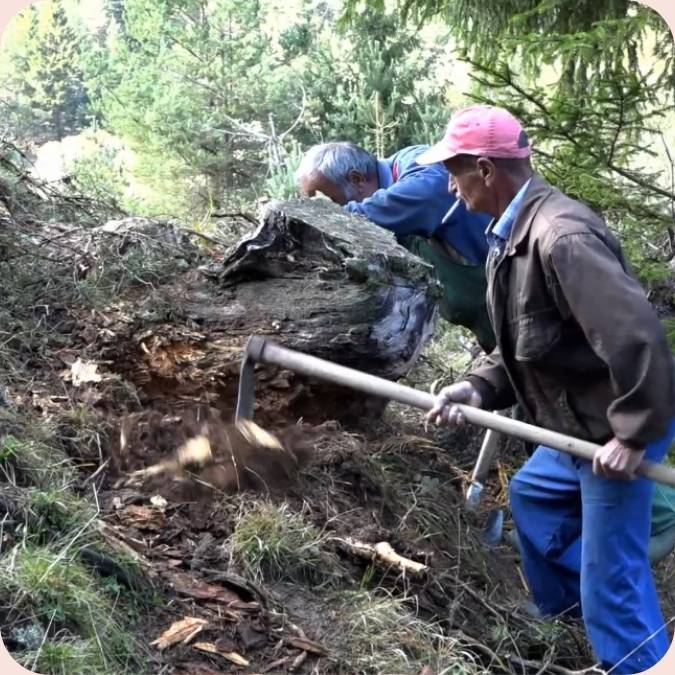
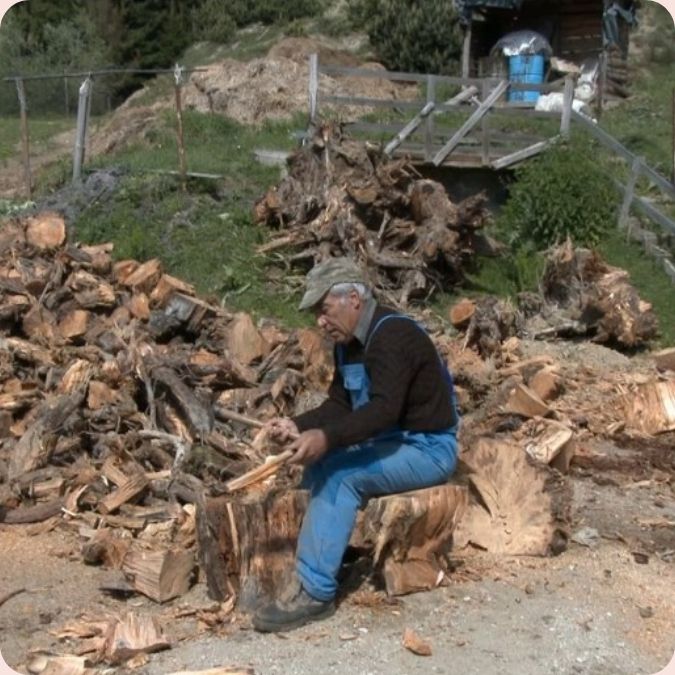
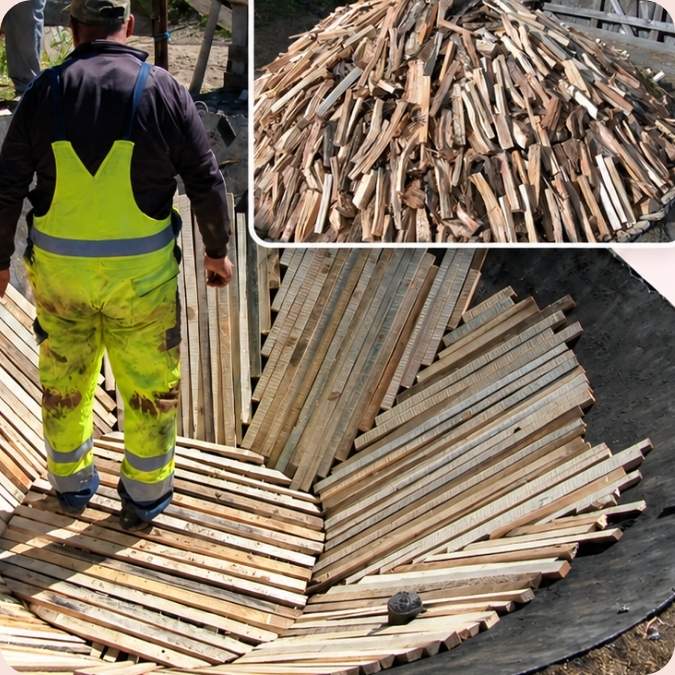
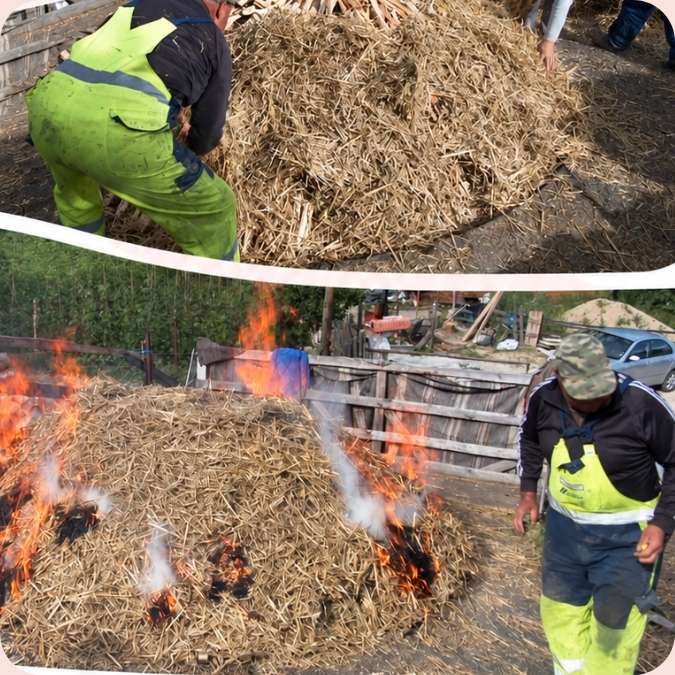
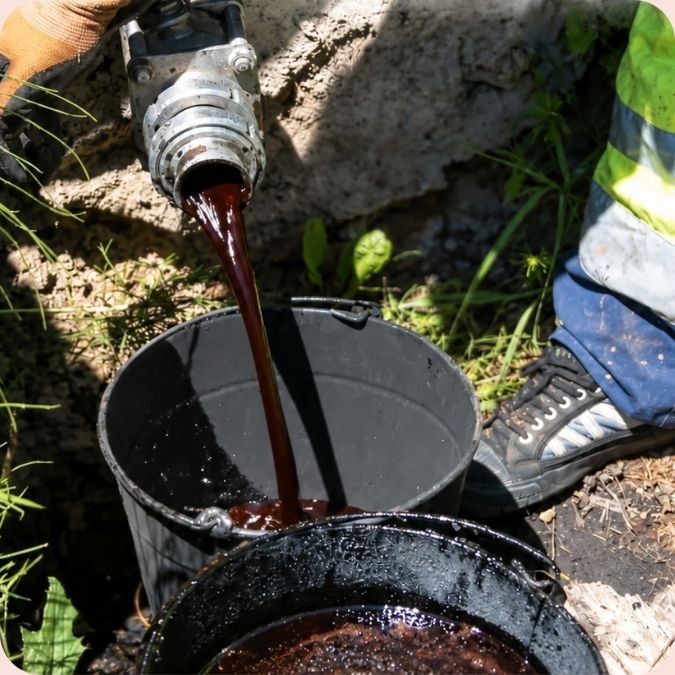
In Bulgaria’s Rhodope Mountains, our raw material is obtained through a traditional, physically demanding process. First, old pine stumps saturated with resin are selected by hand. The wood is split, prepared and dried. It is then heated slowly with very little oxygen: not simply burned, but subjected to dry distillation. The dark liquid flows into a collecting vessel, where it is allowed to settle before being cleaned and filtered. The result is naturally derived pine tar—not pure resin or an essential oil.
No living trees are felled specifically to obtain this raw material. Instead, old pine stumps are processed; according to our production records, they have remained in the ground for approximately 7–10 years. The heating stage alone can take several days. Natural origin does not automatically mean risk-free, however: careful quality and purity control is essential.
Pine Tar in Milva Products
Shampoos for Scalp Care
Choose from the classic 200 ml shampoo, the larger 500 ml Big bottle or the 300 ml foaming formula. Find the format that best suits your routine and needs.
Pine Tar Shampoo 200 ml → Pine Tar Shampoo Big 500 ml →Pine Tar Soaps and Cream
The 60 g pine tar soap, its glycerin-enriched version and the 35 ml pine tar cream offer different options for body care.
Choose according to your skin’s needs and the product’s instructions.
Shampoo and Hair Tonic in One Routine
You can combine pine tar shampoo with quinine hair tonic, provided your skin tolerates both products well. Rinse the shampoo thoroughly, then apply the tonic as directed.
If your scalp is dry or irritated, monitor how it responds to each product individually. Stop using the tonic if it stings or makes your scalp feel tighter.
Frequently Asked Questions About Pine Tar Shampoo
Can I use it if I do not have dandruff but my scalp feels very dry and tight?
You do not need to have dandruff to use it. Pine tar is also used in products for itchy skin. However, if your scalp is extremely dry, the shampoo’s overall cleansing formula matters: it may suit you, but it may also increase dryness. Start cautiously. If your scalp feels tighter or burns after washing, choose a gentler, more moisturising product. Removing oil during cleansing is not the same as hydrating the skin.
Can I combine pine tar shampoo with quinine hair tonic as part of my hair-growth routine?
Yes, if both products agree with your scalp. First wash with the shampoo and rinse thoroughly, then apply the quinine hair tonic according to its instructions. The combination alone cannot guarantee hair growth; the underlying cause of hair loss and how well you tolerate the products also matter.
Does the strong tar smell stay in my hair after washing?
After thorough rinsing and drying, the scent is usually much milder. Some people may still notice a faint smoky note, particularly when their hair becomes damp again. We therefore cannot promise that the scent disappears completely.
Is pine tar shampoo suitable for young children?
For children, we would favour the gentler foaming format if its label permits use at their age. However, it is not a shampoo specifically developed for young children. Check with the manufacturer or a paediatrician before using a particular version on a child under six, especially if they have a skin condition. Protect the eyes during washing; this is not labelled as a “no tears” shampoo. The published ingredient list for the classic 200 ml shampoo includes Parfum, so it should not be described as fragrance-free.
Is pine tar shampoo carcinogenic?
There is no basis for labelling every shampoo containing pine tar as carcinogenic. Available clinical evidence has not demonstrated an increased cancer risk from appropriately used topical pine tar. This is not, however, a guarantee for every product. The origin, purity and quality control of the raw material, as well as the safety of the complete formula, all matter. Pine tar must not be confused with coal tar; findings about one cannot automatically be applied to the other.
Production photographs and description: Milva materials. Always check the ingredient list and directions on the packaging of the specific product. Cosmetic care is not a substitute for medical treatment of skin conditions.